What is UGC? Meaning, examples and how brands use it (2026)
A plain-English guide to UGC: what it means, the main types of UGC content, what UGC creators do, why UGC ads work, real vs AI UGC, and how to make UGC ads.

UGC stands for user-generated content: photos, videos, reviews and posts made by real people rather than by a brand. In marketing, the UGC meaning has widened. It now also covers content brands pay creators to make in that same casual, first-person style, and UGC-style ads made with AI actors.
That shift matters because UGC is now one of the most common formats in paid social. Scroll TikTok, Instagram Reels or YouTube Shorts and many of the ads you see look like a person talking to their phone. This guide explains what UGC is, the main types of UGC content, what a UGC creator does, why UGC ads work, and how real and AI UGC compare.
What does UGC mean?
UGC means any content about a brand or product that was made by people outside the brand. The term covers three groups:
- Organic UGC: content customers post on their own, such as a review, an unboxing video or a photo tagged with your brand.
- Paid or commissioned UGC: content a brand pays a creator to make in an authentic, unpolished style, usually for ads or the brand's own channels.
- AI UGC: UGC-style videos made with AI actors and AI voices, so a brand can produce the format without filming.
What ties them together is the style: a real-looking person, a phone camera feel, and a recommendation that sounds like it comes from a peer, not a company.
What is UGC content? The main types
UGC content comes in many forms. These are the types marketers use most:
- Reviews and ratings: What it looks like: Written reviews and star ratings; Where brands use it: Product pages, ads, email
- Testimonial videos: What it looks like: A customer explaining why they like a product; Where brands use it: Paid social ads, landing pages
- Unboxing videos: What it looks like: Opening and first impressions of a product; Where brands use it: TikTok, Instagram, YouTube
- Tutorials and how-tos: What it looks like: Showing how to use a product; Where brands use it: Ads, onboarding, help content
- Social posts and photos: What it looks like: Tagged photos, Stories and mentions; Where brands use it: Brand social channels, websites
- UGC video ads: What it looks like: A creator or AI actor recommending a product to camera; Where brands use it: Meta, TikTok and YouTube ads
For most performance marketers, "UGC" now means the last row: short UGC videos built to run as ads.
What is a UGC creator?
A UGC creator is someone brands pay to make content in a natural, customer-style voice, usually short videos for ads or the brand's social channels. Unlike influencers, UGC creators don't need a large following. The brand runs the content on its own accounts or as ads, so what matters is how believable the creator is on camera, not how many people follow them.
A typical UGC creator job includes getting the product, filming a few takes of a script or brief, and delivering raw clips or an edited video. Brands often buy several hooks or variations so they can test which one performs best.
UGC marketing: why UGC ads work
UGC marketing is the practice of using customer-style content to promote a product. It works for a few simple reasons:
- It looks native to the feed. A person talking to their phone blends in with the posts around it, so people are less likely to scroll past it as an ad.
- It feels like a recommendation. Viewers trust someone who seems like a real customer more than a polished brand message.
- It shows the product in use. Seeing someone unbox, apply or try a product answers questions a product shot can't.
- It's cheap to test. One script can become many versions with different hooks, people and settings, so you can find a winner faster than with one expensive shoot.
That last point is why UGC has become central to paid social. Platforms reward fresh creative, and ad fatigue sets in quickly, so brands need a steady supply of new versions.
The trust point has long-running data behind it. In Nielsen's 2021 Trust in Advertising study, recommendations from people they know were the most trusted channel for US consumers, at 89%, and were almost twice as likely to lead to action. UGC ads work because they borrow that peer-recommendation feel.
Real UGC vs AI UGC
AI UGC uses AI actors and AI voices to create UGC-style videos from a script. It doesn't replace real customers, but it changes how fast and cheaply brands can test the format.
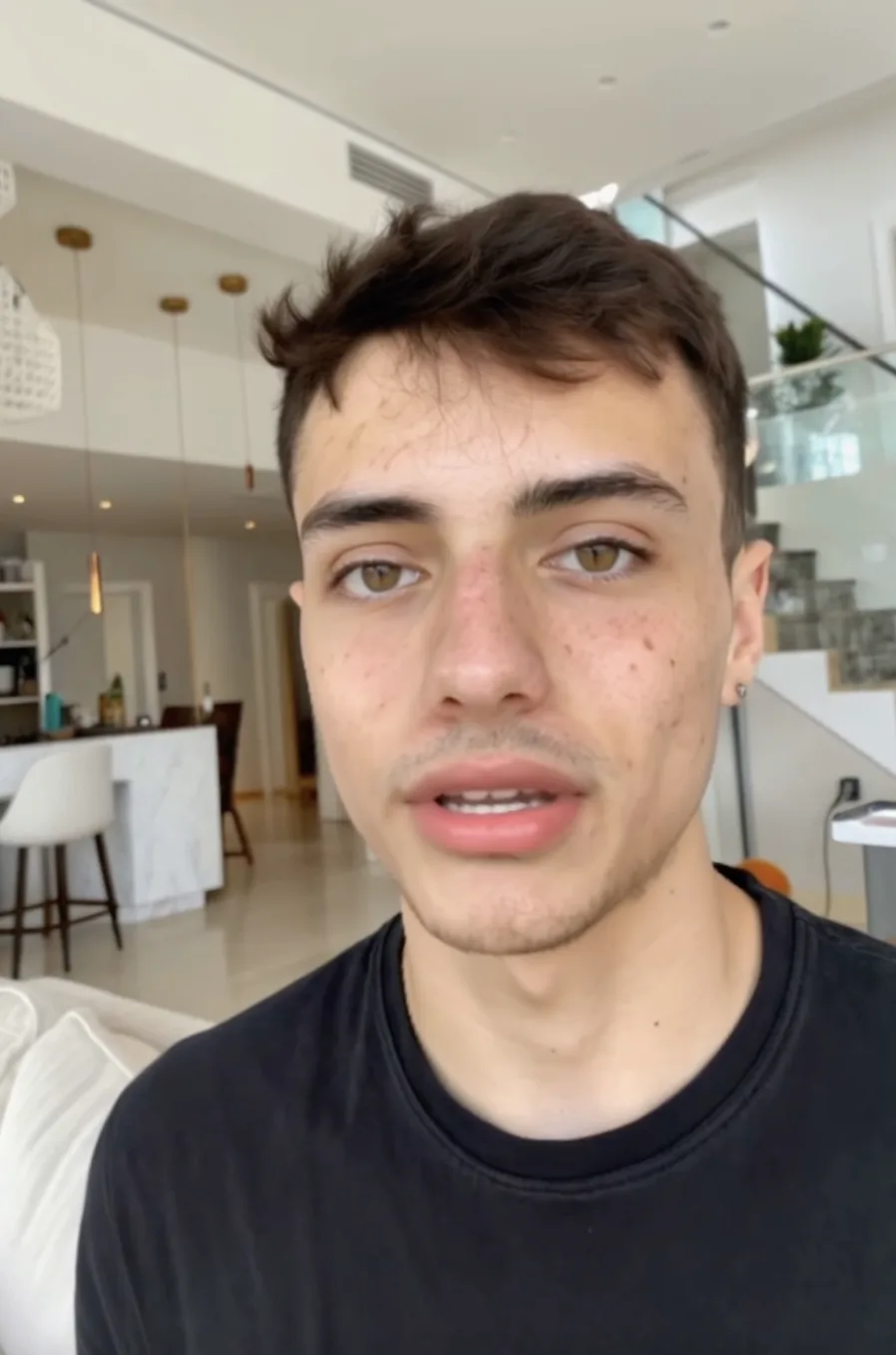
How brands use both: many teams use AI UGC to test hooks, angles and scripts quickly, then hire real creators to scale the winning concepts. Others run AI UGC for always-on ads and keep real creators for hero campaigns.
With Arcads, you write a script, pick from 1,000+ AI actors, and get a UGC-style video ad ready for Meta, TikTok or YouTube. The actors are based on real people who consented and are paid for their likeness.
Whichever you choose, follow each platform's rules. Paid creator content usually needs a partnership disclosure, and TikTok and Meta have their own policies on labeling AI-generated content.
Real UGC campaign examples
Some of the best-known brand campaigns are built on UGC. Each shows a different way to use it:
- Apple, "Shot on iPhone": Apple turned photos and videos taken by iPhone users into billboards, ads and social posts. The lesson: let customers prove the product's main benefit for you, in this case the camera.
- GoPro: much of GoPro's marketing is footage filmed by its customers, from surfing to skydiving. The lesson: when the product creates the content, every customer is a potential ad.
- Starbucks White Cup Contest: Starbucks invited customers to decorate its white cups and share their designs, then printed a winning design on a limited-edition cup. The lesson: a simple prompt and a reward can turn customers into creators.
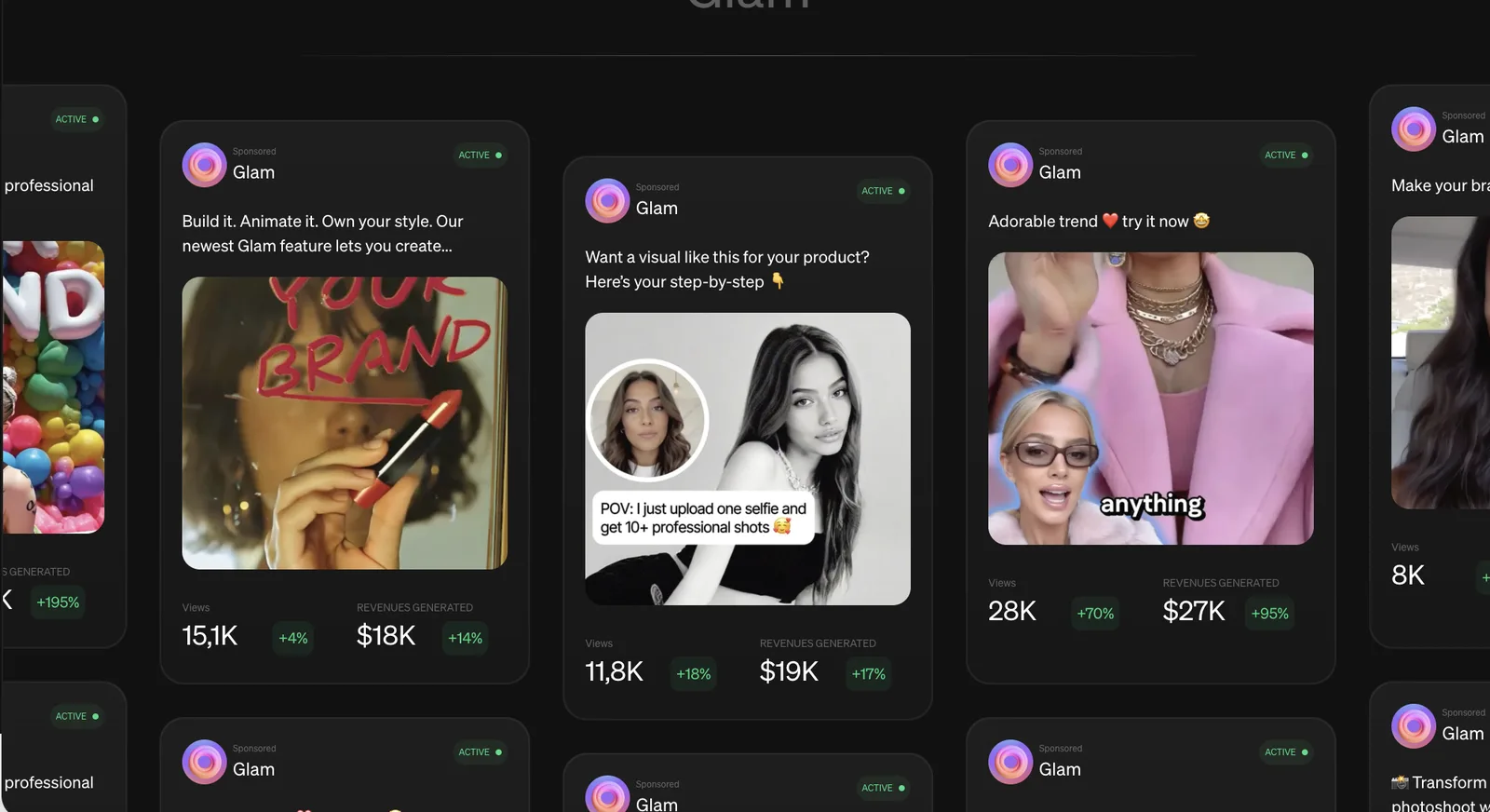
Paid social adds a fourth model: brands commission creators, or use AI actors, to make UGC-style ads on demand, rather than waiting for customers to post.
How to get UGC from your customers
Organic UGC is free, but it rarely appears on its own. These steps make it more likely:
- Ask at the right moment. Send a short request a few days after delivery, when customers have tried the product and are most excited about it.
- Make it easy. Give a clear prompt, such as "show us your setup" or "tell us the one thing you'd change," and a branded hashtag so you can find the posts.
- Reward it. Offer a discount, a feature on your channels, or entry into a giveaway. Many people post simply for the chance of a repost.
- Get permission before you reuse it. A customer's post belongs to them. Ask for written permission, especially before you run it as a paid ad, and credit them where you can.
- Check reviews and comments. Your best UGC may already exist in product reviews, support emails and social comments. With permission, these make strong ad scripts.
UGC video ad examples by format
Most UGC video ads follow a handful of proven formats. Each one fits a different goal:
- Testimonial: "I've been using this for a month, and here's what changed." Builds trust for products people need to believe in, such as skincare, supplements and apps.
- Problem and solution: opens with a relatable frustration, then shows the product fixing it. Strong for practical products and software.
- Unboxing and first impressions: shows packaging, details and a genuine first reaction. Works well for e-commerce and gifts.
- Tutorial or demo: walks through how to use the product in a few steps. Good for apps, tools and anything with a learning curve.
- Before and after: shows a clear change. Popular in beauty, fitness, cleaning and home products, within each platform's ad rules.
- Myth-busting or "things I wish I knew": a list-style hook that teaches something and positions the product as the answer.
- Reaction or duet: a creator reacting to a comment, review or trend, which feels native on TikTok and Reels.
Whatever the format, the first three seconds decide whether people keep watching, so strong UGC ads lead with the hook, not the brand. For more ideas, see our AI hook generator.
How to make a UGC ad
- Pick one angle. Choose a single problem, benefit or objection to address. One clear message beats a list of features.
- Write three hooks. Draft three different opening lines for the same script, since the hook is what you'll test first.
- Keep the script conversational. Write it the way a person would say it to a friend: short sentences, contractions, no jargon. Aim for 15 to 30 seconds.
- Choose your creator. Brief a real UGC creator, or pick an AI actor whose look and voice fit your audience.
- Shoot or generate vertical. Use 9:16 for TikTok, Reels and Shorts, and add burned-in captions for people watching with the sound off.
- Test and iterate. Run the hooks against each other, keep the winner, then test new actors, settings or calls to action on top of it.
How to create UGC video ads with Arcads
If you want to test UGC ads without waiting on creators, Arcads lets you make them from a script in a few minutes. Here's how it works:
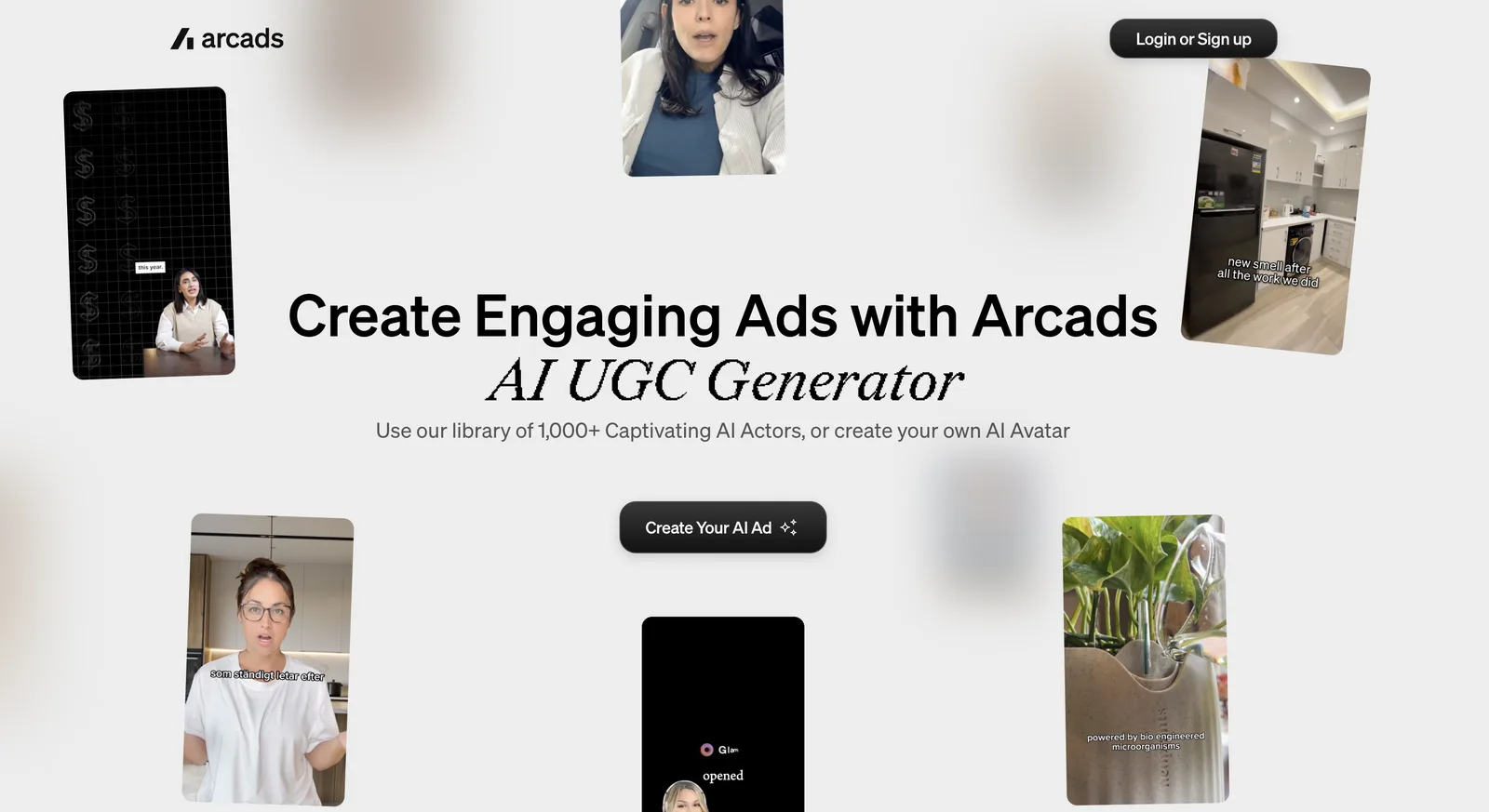
- Write or paste your script. Start with your hook and keep it conversational, or describe the ad you want in a prompt.
- Pick an AI actor. Choose from 1,000+ AI actors by look, age, setting and style, or create a custom actor for your brand. Each actor is based on a real person who consented and is paid for their likeness.
- Choose the voice and language. Pick a voice from the library, use speech to speech to put your own recording on the actor, and write your script in any of the 74 languages the actors speak.
- Direct the delivery. Tell the actor how to say each line, such as excited, calm or surprised, so the hook lands the way you want.
- Generate and polish. Add B-roll, product shots, captions and music, then export in 9:16 for TikTok, Reels and Shorts.
- Make variations to test. Swap the actor, rewrite the hook or translate the winning ad into other languages without reshooting.
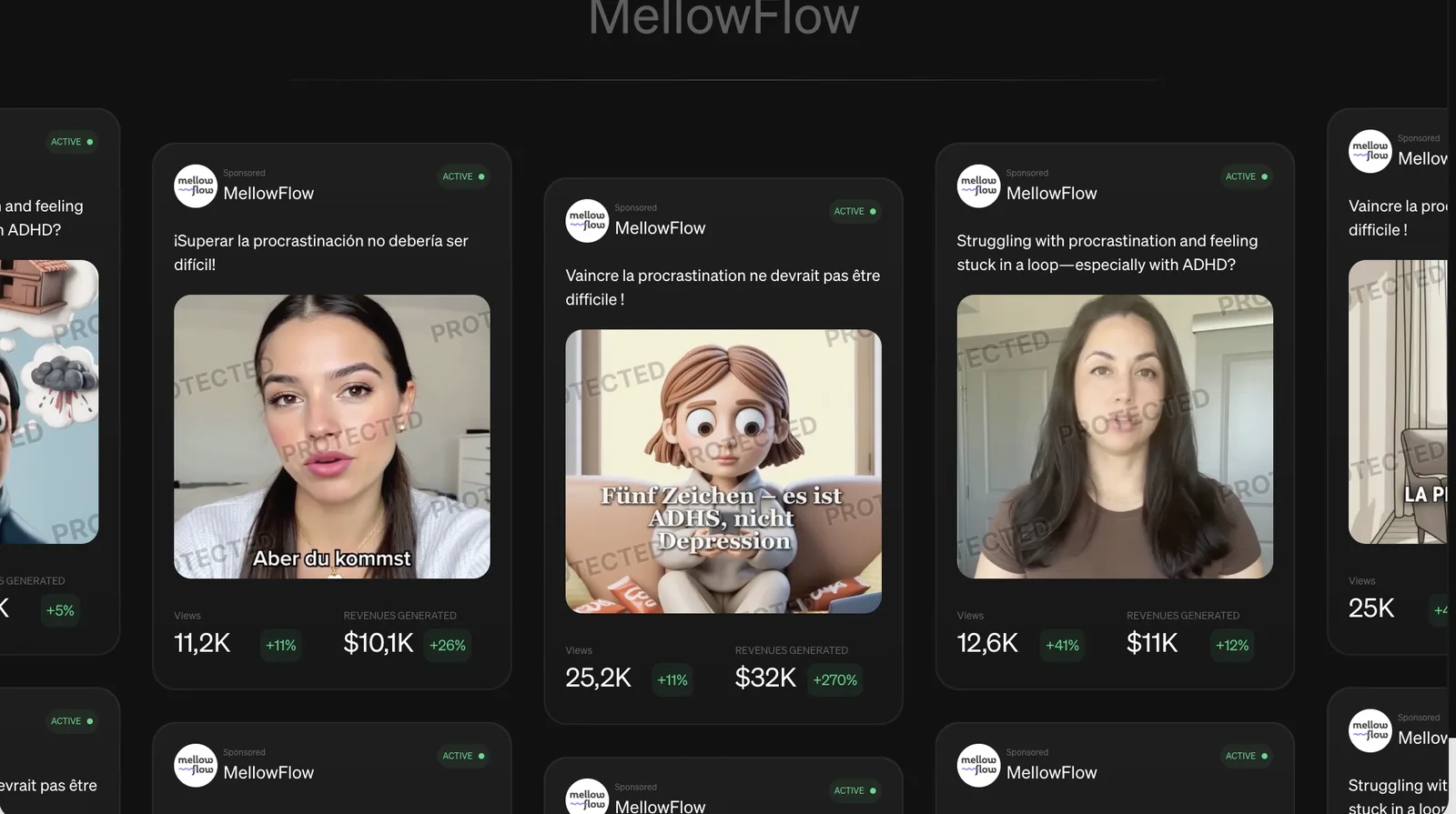
This is where AI UGC saves the most time: one script can become ten versions with different hooks and actors, so you find the winner before spending on creators or ad budget.
You can try it with the 72-hour free trial, which includes 1,000 credits and every feature unlocked. A card is required but isn't charged during the trial. Start your free Arcads trial.
How to measure whether your UGC ads work
Judge UGC ads on the numbers that show where viewers drop off, not just on likes:
- Hook rate (3-second views ÷ impressions): What it tells you: Whether the opening line stops the scroll; What to change if it's low: Test new hooks or a new actor
- Hold rate (completed or 15-second views ÷ 3-second views): What it tells you: Whether the middle keeps people watching; What to change if it's low: Cut slow parts, add B-roll or tighten the script
- Click-through rate: What it tells you: Whether the offer and call to action are clear; What to change if it's low: Rewrite the call to action or show the product sooner
- Cost per acquisition: What it tells you: Whether the ad makes money; What to change if it's low: Test a different angle or audience
Change one thing at a time, so you know what made the difference.
Frequently asked questions
What does UGC stand for?
UGC stands for user-generated content. It means content about a brand that was created by people outside the brand, such as customers or paid creators.
What is UGC content in marketing?
In marketing, UGC content is customer-style content that brands use to promote their products: reviews, testimonial videos, unboxings and UGC video ads that look like a real person recommending something.
What is the difference between UGC and influencer marketing?
Influencers post to their own audience, so brands pay for their reach. UGC creators make content for the brand to post or run as ads, so brands pay for the content itself, not the creator's followers.
Are UGC videos the same as UGC ads?
Not always. A UGC video is any customer-style video. It becomes a UGC ad when a brand runs it as paid media, usually after adding captions, a call to action and sometimes a few edits.
Is AI UGC still UGC?
AI UGC copies the style of UGC, a person talking to camera in a casual setting, but the person is an AI actor rather than a real customer. Most marketers treat it as a UGC-style ad format and use it alongside real creator content.
How much does UGC cost?
Creator rates vary widely by experience, usage rights and the number of hooks or edits included. AI UGC usually costs far less per video, which is why brands use it to test many variations before investing in creators.
The bottom line
UGC is content made by people outside the brand, and in paid social it now mostly means short videos of a real-looking person recommending a product. It works because it feels native, trustworthy and easy to test at volume. Real creators bring genuine experience; AI UGC brings speed and scale. Most brands get the best results using both. To start testing UGC ads today, try Arcads free and turn one script into a batch of UGC-style ads with AI actors.
Keep reading:
TikTok ad specs 2026
Best AI UGC video generators in 2026
Best free AI video ad generators in 2026
Test six AI actors before you film a single ad.
Write the script once. Arcads turns it into UGC-style video ads with 1,000+ AI actors.



Make your next winning ad with AI actors
Pick from 1,000+ AI actors, paste your script and get a UGC-style video ad in minutes. Test more hooks without booking a single creator.
Try Arcads free